The Hexagenia hatch in 2026 is late, uneven, and shaped by the wettest June on record; read each river carefully, favor overcast calm nights, choose the right emergers, duns, and spinners, and protect trout by watching water temperatures and shortening fights.
Two decades on the drift: a longer, deeper view
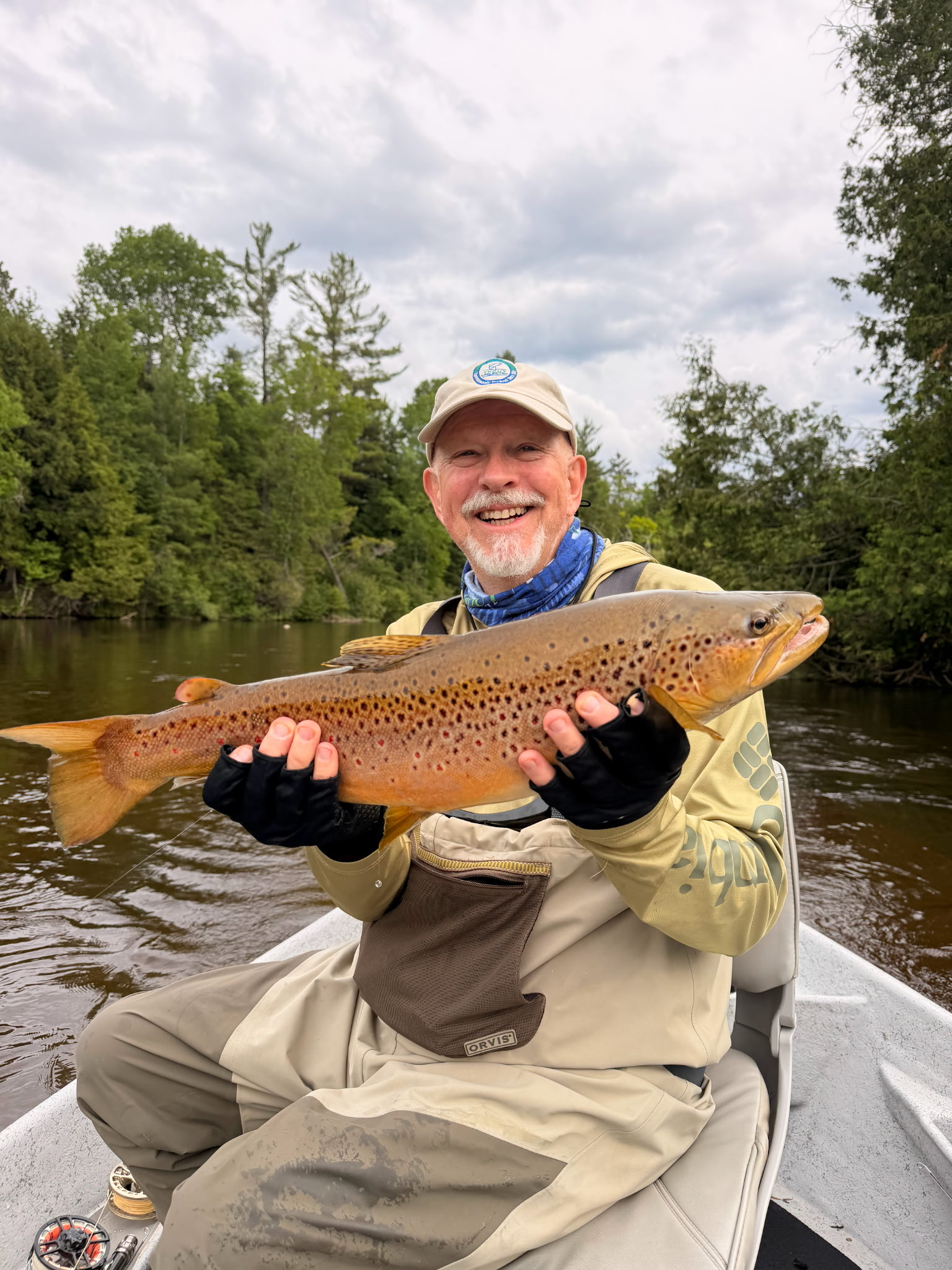
After twenty seasons guiding the Manistee, Jordan, and Au Sable, I’ve learned that the Hex hatch is never just a date on the calendar. It’s a negotiation between weather, water, and the river’s shifting architecture. This year, that negotiation has been messy. After record breaking spring rains and snow melt, many of our rivers barely had a chance to stabilize in time for ‘hatch season.’ June was the wettest on record, and those relentless rains didn’t just raise flows—they reshaped entire stretches of river, carving new seams, burying old silt beds, and washing out the soft, mucky flats where Hex nymphs thrive.
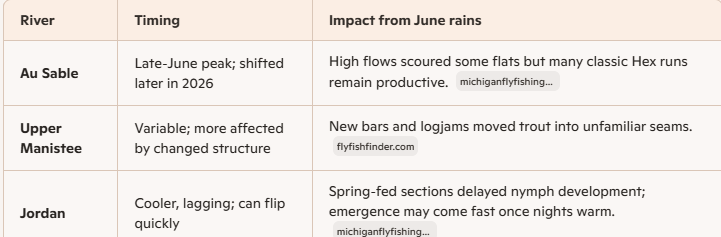
The result is a hatch that feels fragmented and delayed, with each river behaving like its own ecosystem. Some nights tease us with early emergers, only for a cold front or sudden downpour to shut everything down. Other nights, especially the warm, overcast ones, have produced excellent Isonychia activity—fast, athletic mayflies that brought trout up in daylight before storms erased the evening rise.
How the three rivers read right now
Fly choice and presentation — the mechanics that matter
The Hex hatch is a progression, and matching each stage is the difference between hoping and hooking.
~\\Emergers//
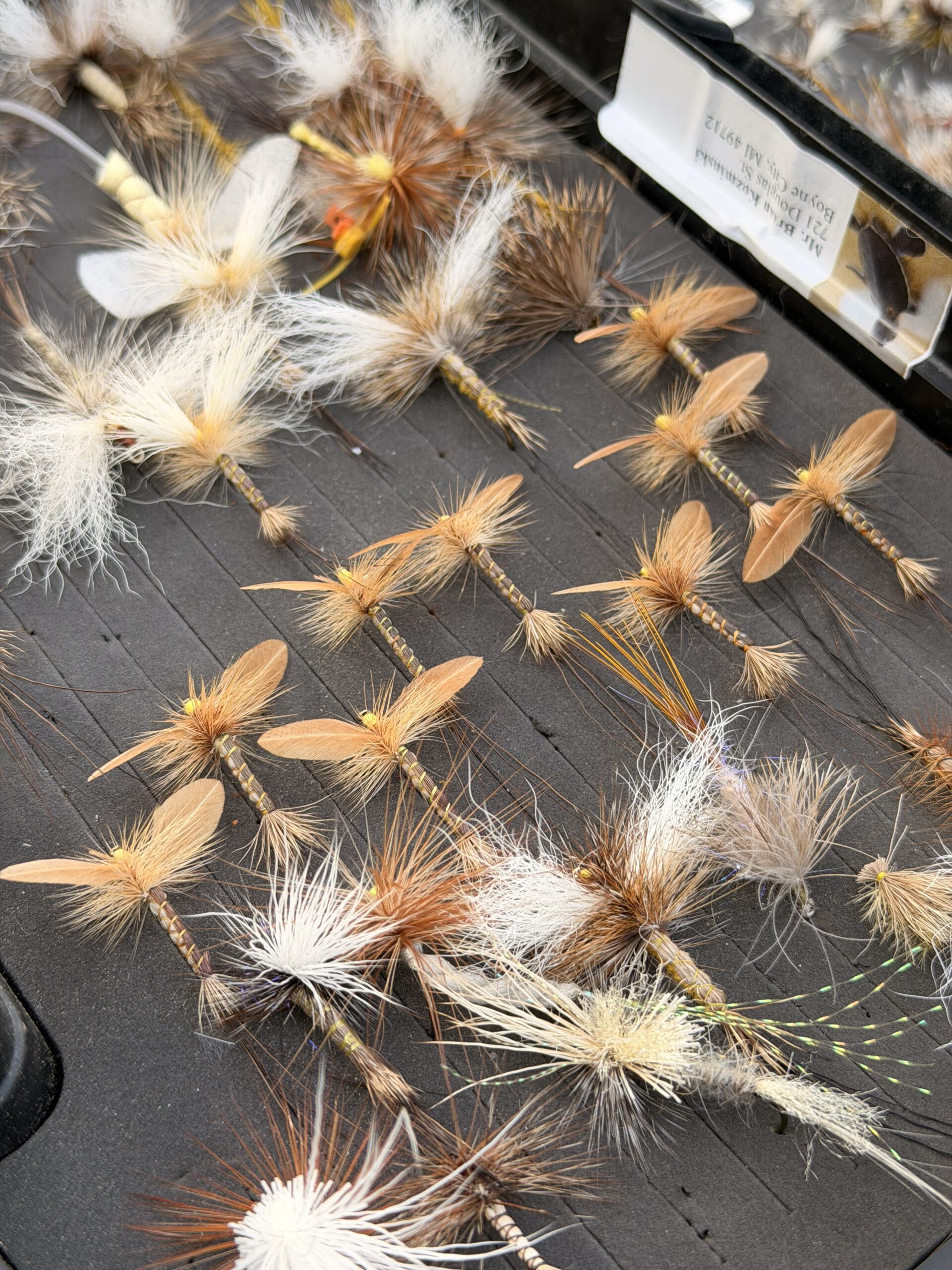
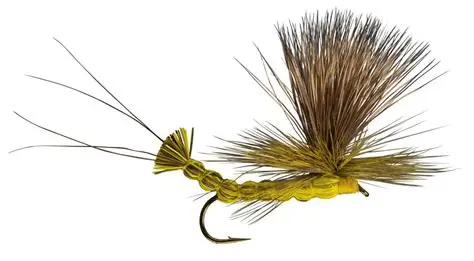
These are your first signal. I fish **soft hackle emergers**, CDC emergers, and low‑riding patterns that suggest a struggling insect trying to break the surface. They’re deadly in the half‑light before the river fully wakes up.
~\\Duns//
When the surface begins to pulse, switch to **pale yellow‑olive duns in sizes 4–6**. A flat wing profile helps them sit naturally. Cast shorter, let the fly settle, and resist the urge to over‑mend—Hex duns drift slowly and confidently.
~\\Spinners//
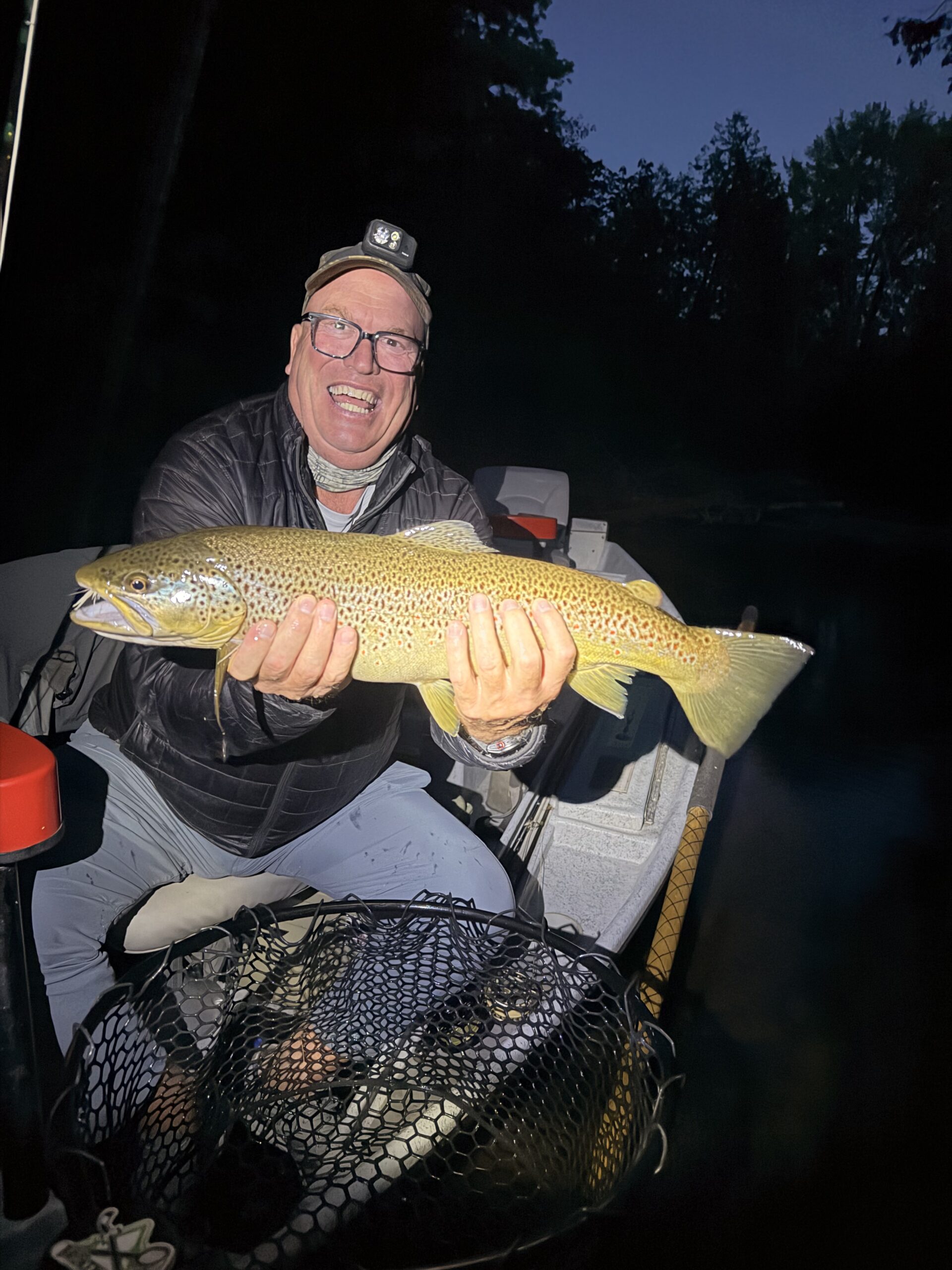
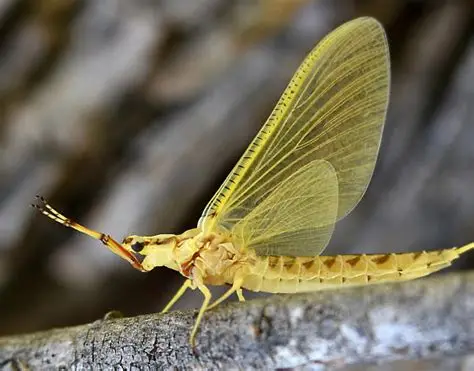
Once darkness settles and the river becomes a soundscape of slurps, it’s spinner time. **Large, spent-wing spinners** with outstretched wings are the most productive patterns of the night. Trout key hard on the silhouette, so keep your profile clean and your wings crisp.
Keeping flies floating and visible in the darkness
Fishing the Hex at night is equal parts skill and sensory adaptation. A few tricks make a big difference:
– Floatants: Use silicone‑based floatants and re‑dress flies frequently. Hex patterns are big and soak quickly; a quick treatment keeps them riding high. Guide tip: double down, I apply Albolene on DRY fly and also dust with powder dessicant such as Frogs Fanny.
– Micro‑visibility posts: Add a tiny fluorescent yarn nub* or a subtle white post to the top of your fly. It won’t spook trout, but it will help you track the drift.
– Leader contrast: A short, pale butt section near the fly gives you a visual anchor in the dark. Many guides use and I prefer Scientific Anglers Frequency MAGNUM GLOW Line, you can choose to light or illuminate a short section, but daylight will charge your line if you let it set outside.
– Minimal light discipline: Use a dim red headlamp only when necessary. I personally prefer green lamp, it lights better without spooking trout. Too much light kills the magic—and the fishing.
Ethics and safety — non‑negotiables
Warm nights can push water temps into dangerous territory. Trout begin experiencing stress in the high 60s, and prolonged fights in 68–69°F water can be lethal. Carry a thermometer, shorten fights, keep fish wet, and stop fishing when temps creep too high. Protecting trout now ensures the next generation of Hex nights remains just as electric. The blessing in disguise with a wet June is that most of our water has been below the 68 degree mark.
The pivot: fall streamer season
If the hatch remains fickle, now is the time to book fall streamer trips on the Upper Manistee. True North Trout has a team of experienced streamer guides to help improve your hook up ratio. The spring floods created new ambush structure, and come September and October, big browns will use every inch of it. Cooler water, aggressive fish, and heavy flies—fall is where the river shows its teeth. Basically, any river in northern Michigan you floated last year has been flipped, it is a new river.
Closing from a guide who’s seen a few things…
The river writes the schedule; our job is to read it with patience and respect. We have been on the water since spring, watching it unfold and show her secrets, this alone will increase your chances of catching a few trout. We suggest to scout new lies, fish the calm overcast windows, match the hatch stage by stage, and keep the trout healthy. When the Hex finally erupts under the stars, you’ll be ready.
Thank you for reading. Feel free to follow on INSTAGRAM and FACEBOOK , Feel Free to share.
Tight lines and cool water.